



Baa, Baa Black Sheep — Why Not a “Different Sheep”?
Baa, Baa Black Sheep — Why Not a “Different Sheep”?
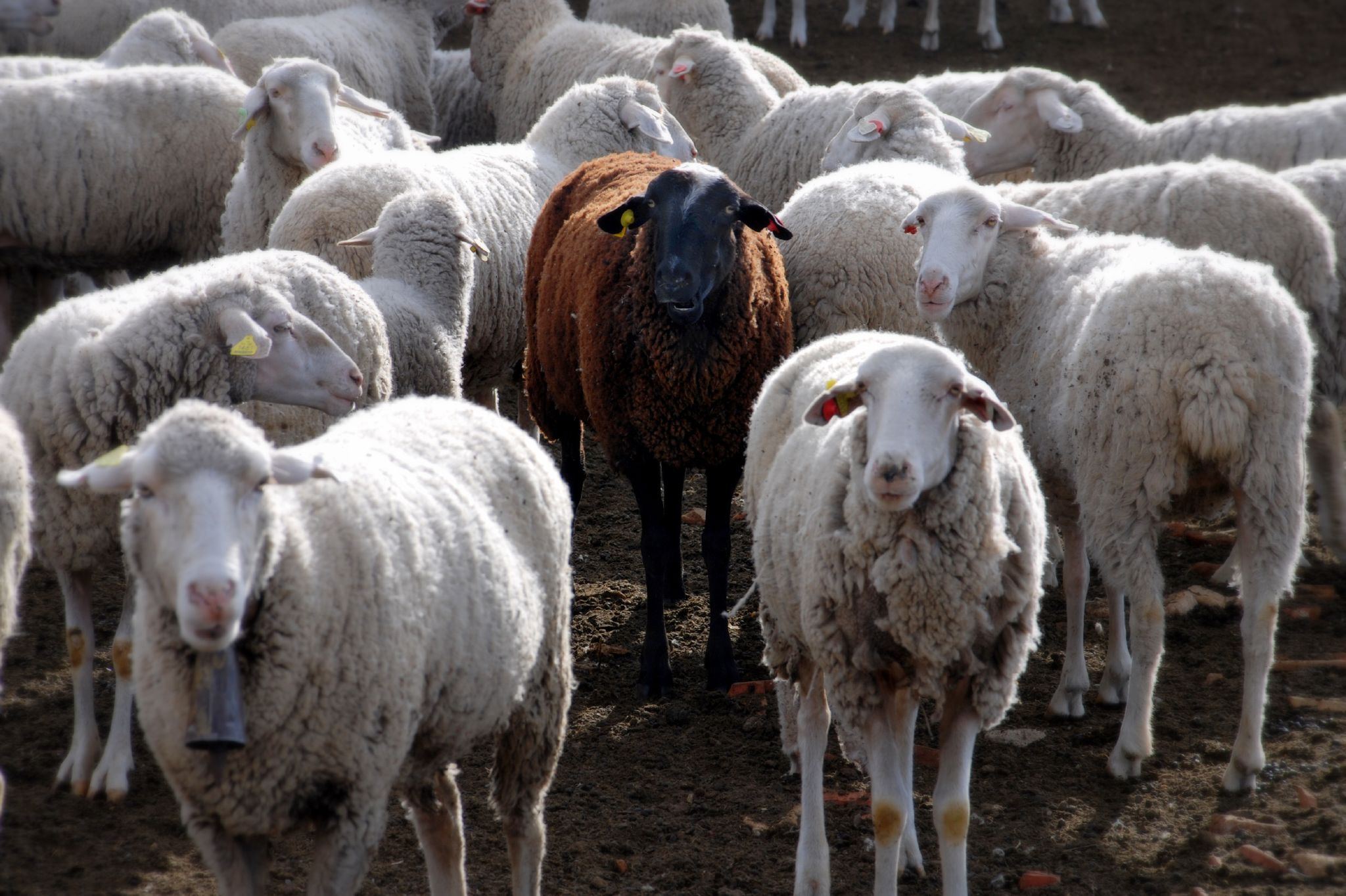
We have all grown up listening to the English nursery rhyme “Baa, baa, black sheep.” At first glance, it seems innocent enough. Yet the phrase “black sheep” carries a meaning far deeper than a children’s rhyme. Over time, it has come to describe a person who stands apart from their family or group—often viewed as odd, nonconforming, or even undesirable.
The expression “black sheep” is now a well-established idiom. It refers to someone who does not fit in, who questions accepted norms, or who chooses a path different from what society or family expects. Because such situations exist in every culture, the idea of a “black sheep” is universally understood, regardless of language or geography.
Historically, the term carried a distinctly negative meaning. In earlier centuries, especially in England, black sheep were considered less valuable because their wool could not be dyed. To make matters worse, black wool was sometimes seen as a bad omen or even the devil’s mark. Over time, this sense of inferiority and suspicion attached itself to the metaphor, turning the “black sheep” into a symbol of deviance or disgrace within a group.
In modern usage, the phrase has softened but not entirely shed its stigma. A “black sheep” is still often the person whose traits or choices are judged unfavourably by others. Yet, in some cases, the label has been reclaimed. Jessica Mitford once called herself the “red sheep of the family”—a communist among aristocratic fascists—turning the idea of difference into a badge of identity rather than shame.
Every society, without exception, has individuals who challenge conventions. Their presence unsettles the majority, not necessarily because they are wrong, but because they are different. This is why the concept of a “black sheep” transcends cultures—it reflects a basic human tendency to define normality and push deviations to the margins.
This led me to wonder: why black sheep at all? Why not simply say “different sheep”? The answer lies in language and history. While “different sheep” might convey the idea in a literal sense, it lacks the cultural weight, symbolism, and emotional resonance of “black sheep.” Centuries of usage have embedded the phrase into the English language, giving it a depth that simpler alternatives cannot replicate.
Much like our colloquial expressions—Ram Singh or Natha Singh, this way or that way—the meaning remains the same, only the words differ. The phrase “black sheep” survives not because it is perfect, but because it is familiar, expressive, and deeply rooted in shared understanding.
Perhaps the real question is not why we call someone a “black sheep,” but why society finds it so difficult to accept those who dare to be different.